
A good berry scone should taste like fruit, butter, and not much else. Yet the version most of us meet is heavy, gummy, or streaked an unappetizing grey where the berries have bled into the dough. The fix isn't complicated: keep everything cold, handle the dough as little as possible, and pick fruit that holds its shape. What follows is a dependable recipe for summer berry scones finished with a sharp lemon glaze, along with the swaps and small adjustments that will carry you from the first strawberries of June to a bag of frozen blueberries in February.
Three things matter more than the fruit. First, cold butter. Cut it into the flour until you have a mix of pea-sized pieces and flat flakes; those flakes create steam in the oven and lift the layers. Second, a light hand. The moment the dough comes together, stop. Overworking develops gluten, and gluten is what turns a scone into a doorstop. Third, wet dough with a short rest. Scone dough should be shaggier and stickier than biscuit dough. Patting it into a round and letting it sit for fifteen minutes in the freezer firms the butter back up and hydrates the flour, which gives you a cleaner cut and a taller rise.
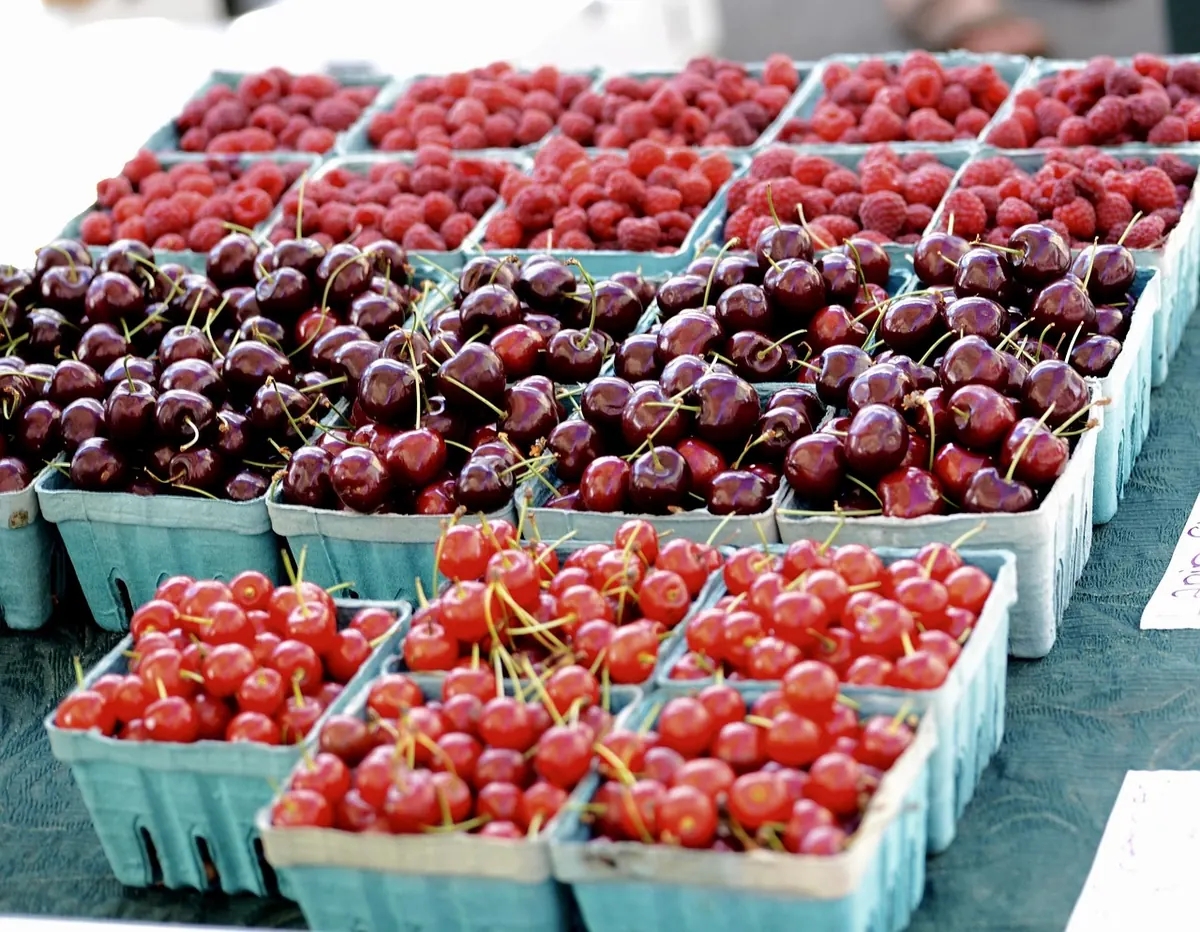
Berry choice matters too. Blueberries and blackberries hold their shape well. Raspberries collapse and bleed the most, so treat them gently. Strawberries are mostly water, so hull, chop, and pat them dry before they go anywhere near the flour.
A purple-streaked scone still tastes fine, but a few habits keep the crumb clean and the fruit intact.
The glaze is powdered sugar, fresh lemon juice, a pinch of salt, and zest. That pinch of salt is not optional; without it the glaze tastes flat and sugary rather than bright. Add the juice a teaspoon at a time. Too thin and it runs off the scone and pools on the plate; too thick and it sits in a stiff cap. You want something that slowly ribbons back into the bowl. Glaze cooled scones only. On warm ones it melts into a puddle.
Once you have the base, it takes well to tinkering. Swap the lemon for lime juice and add a little grated ginger. Use orange juice and zest with a pinch of cardamom. Or keep the lemon and stir in a teaspoon of poppy seeds for texture. If you prefer your scones plain, skip the glaze entirely and dust them with sugar before baking.
Keep the fruit at one cup. Any more and the dough turns wet and the scones spread instead of rising.
For a little extra texture, replace 1/4 cup of the flour with fine cornmeal. It gives the crumb a pleasant grain and pairs especially well with blueberries.
Freeze the cut wedges on a tray until solid, then bag them for up to two months. Bake from frozen, adding three to five minutes to the time. Baked scones are at their best within a few hours of coming out of the oven. The next day, refresh them in a 325°F (165°C) oven for five minutes and they come back surprisingly well. Keep them at room temperature in a loosely covered container, not the refrigerator, which dries them out faster. If you've glazed them, let the glaze set completely before covering, or stack them with parchment between layers.
Split a scone, toast the cut sides in a dry pan, and add salted butter. A spoonful of crème fraîche or plain yogurt works if you want something tangier against the glaze. These are best the day they're made, ideally within an hour of baking, with coffee or a glass of cold milk. Start with the blueberry and lemon version, then work your way through the list as the fruit changes. By September you'll know your own favorite, and you'll know exactly how much flour to add when the berries are especially juicy.
Photo: TheDesignLady87 / Pixabay
Adapt any scone recipe to seasonal fruit and herbs by adjusting liquid, sugar, and technique — with pairing ideas, a...

A savory scone formula built on sharp cheddar, chives, and black pepper, plus a mix-in ratio for building your own...

Freeze shaped scone dough and bake it straight from the freezer for a taller, flakier rise. Here is how to wrap,...


Cozy scones and quiet moments..
